

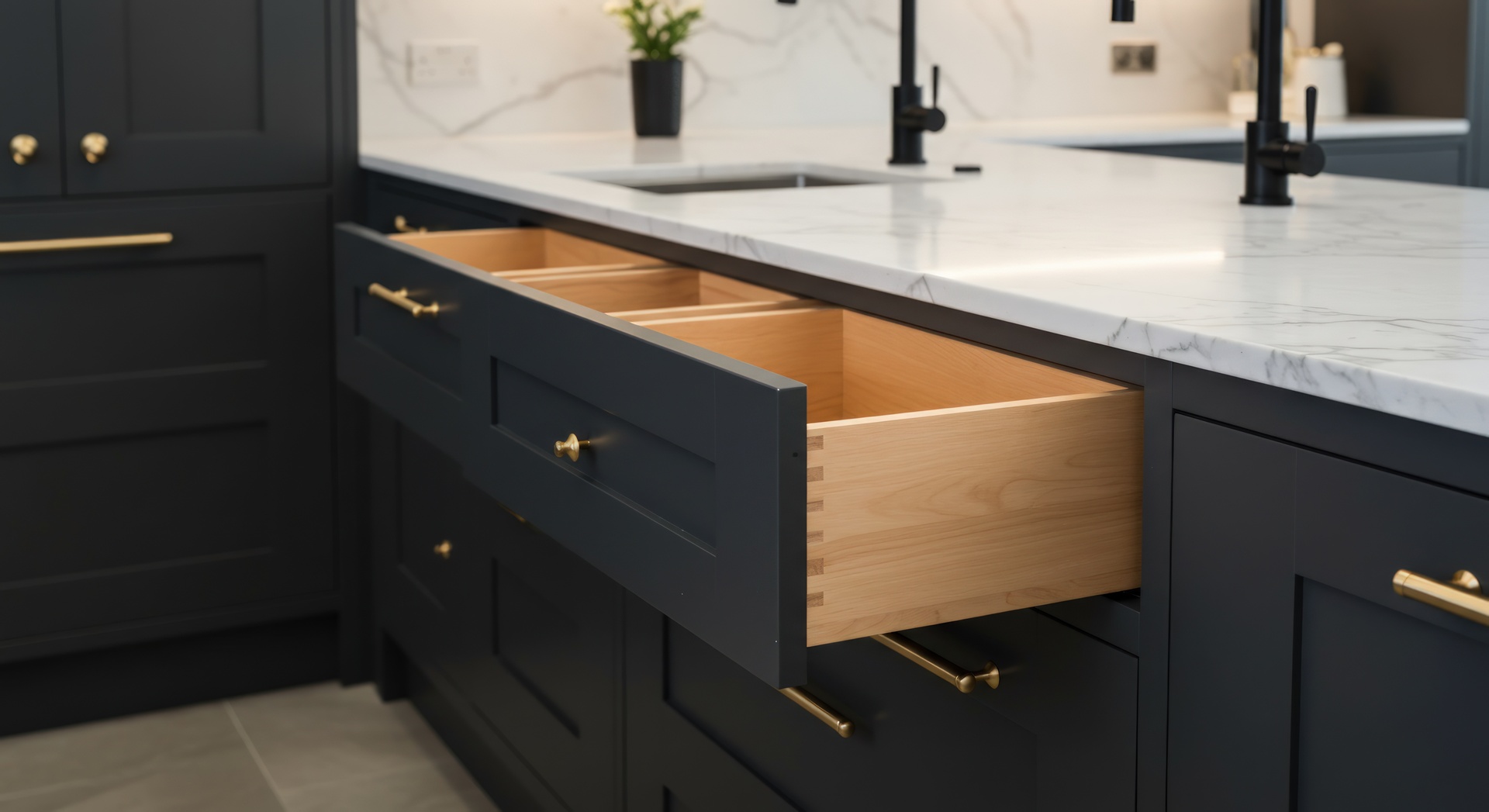
When planning a kitchen or bathroom upgrade, cabinet doors often steal the spotlight. Shaker, slab, raised panel, matte, gloss—style choices feel endless. Yet behind every beautiful door is a cabinet box doing the real work. Cabinet box construction quality determines how cabinets hold up under daily use, resist moisture, stay aligned, and support countertops over time. Door style may shape the look, but the cabinet box shapes long-term performance.
Understanding what’s inside the cabinet helps homeowners make smarter decisions that protect both design investment and everyday functionality.
The cabinet box as the true structural foundation
The cabinet box is the core of the cabinet system. It supports shelves, drawers, hinges, and often heavy stone or quartz countertops. A well-built box stays square, resists warping, and maintains alignment even after years of opening, closing, and loading.
When cabinet boxes are poorly constructed, problems show up quickly—sagging shelves, loose hinges, sticking drawers, and doors that no longer sit evenly. These issues rarely come from the door style itself; they originate from weak box materials or construction methods.
Materials that separate quality cabinets from shortcuts
One of the biggest indicators of cabinet box quality is material choice.
Plywood cabinet boxes are widely considered a premium option. Multiple layers of wood veneer are cross-laminated, creating strength, dimensional stability, and better resistance to moisture. This makes plywood especially valuable in kitchens, laundry rooms, and bathrooms where humidity levels fluctuate.
Furniture-grade particle board is sometimes used in cabinet construction, but even higher-quality versions are more vulnerable to moisture exposure and fastener fatigue over time. Screws can loosen, and panels may swell if leaks or humidity issues occur.
Solid wood, while excellent for doors and face frames, is not always ideal for cabinet boxes due to natural expansion and contraction. High-quality engineered panels often outperform solid wood inside cabinet boxes, providing long-term stability.
Joinery details that reveal craftsmanship
How a cabinet box is assembled matters just as much as the materials used.
Dovetail and dowel joinery mechanically lock cabinet components together, distributing stress evenly across the structure. These methods are commonly found in higher-end cabinetry and contribute to long-lasting drawer and box strength.
Cam locks, staples, and minimal fasteners are more common in mass-produced cabinets. While they reduce manufacturing costs, they rely heavily on hardware rather than structural integrity, which can lead to loosening and alignment issues over time.
Back panel thickness is another overlooked detail. A full-thickness, securely attached back panel adds rigidity and helps cabinets remain square once installed on the wall.
Shelf thickness and real-world load capacity
Shelves quietly expose cabinet quality. Thin shelves tend to bow under weight, especially when holding dishes, cookware, or pantry items.
Well-constructed cabinets use thicker shelves, often with reinforced edges or solid wood fronts. This prevents sagging and maintains interior functionality without limiting storage options. Adjustable shelving that stays level over time is a strong indicator of thoughtful cabinet construction.
Why door style cannot compensate for weak construction
A beautiful door cannot correct a weak cabinet box. High-end finishes, custom colors, and trendy profiles lose their appeal when doors begin to shift, rub, or fall out of alignment. Even premium soft-close hinges depend on a stable cabinet box to function as intended.
When cabinet boxes flex or deteriorate, door performance suffers regardless of style. Structural quality always comes first; aesthetics should follow.
Moisture resistance and long-term durability
Kitchens and bathrooms are demanding environments. Steam, spills, humidity, and cleaning products constantly test cabinet durability.
Cabinet boxes built with moisture-resistant materials and proper construction techniques maintain their shape and strength over time. This protects not only the cabinets but also surrounding finishes, countertops, and flooring transitions. Inferior cabinet construction may swell or delaminate, often leading to premature replacement.
Installation success starts with cabinet quality
Even the best installation cannot overcome poorly built cabinets. Quality cabinet boxes allow for precise alignment, consistent reveals, and smoother installation across long cabinet runs.
Strong boxes also support stone countertops more effectively, reducing stress points that can contribute to cracking or uneven seams. Cabinet quality plays a direct role in the overall success of the installation.
Investing where it matters most
Trends change. Cabinet door styles evolve. Cabinet boxes, however, are expected to last decades. Investing in strong materials, proven joinery, and thoughtful construction ensures cabinets remain functional and visually appealing long after design preferences shift.
Choosing cabinets based on internal construction quality creates a foundation that supports future updates without requiring a full cabinet replacement.
Visit a showroom or schedule an in-home cabinet consultation today!
Cabinet quality starts with what’s behind the doors, and 5 Star Floors helps homeowners choose cabinetry built for everyday use and long-term performance. With shop-at-home services, experienced design guidance, and professional installation crews, selecting cabinets with strong box construction is straightforward and stress-free. Visit a showroom in Pearland, Humble, League City, Tomball, or Mont Belvieu, or schedule an in-home consultation today.


