

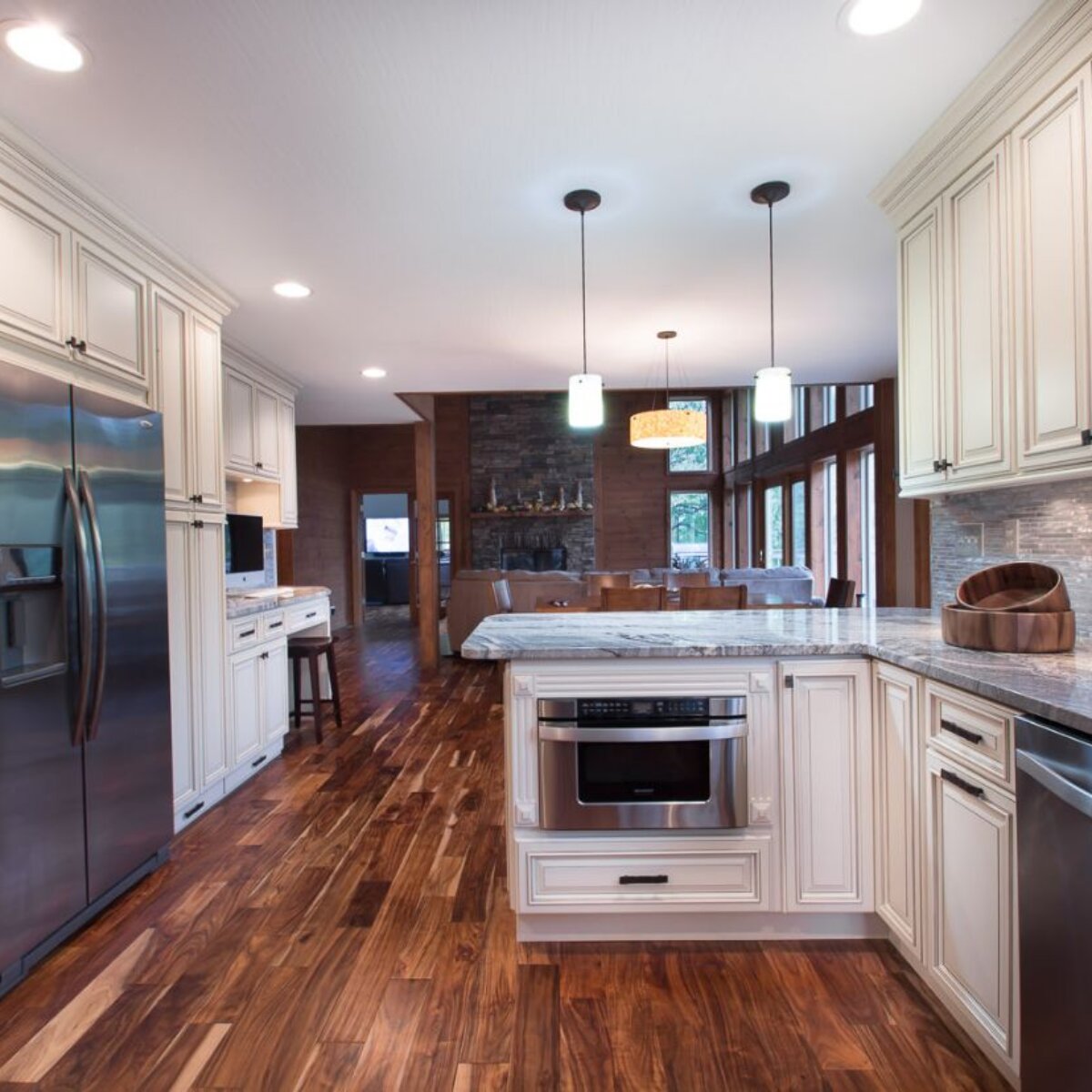
A Pearland homeowner replacing worn carpet may want a greener material, but sustainability cannot come at the expense of comfort or performance. Houston homes face intense heat, high humidity, muddy shoes, pets, and occasional moisture concerns. The most responsible flooring decision balances environmental considerations with the way your household actually lives.
Start with carpet that fits the room
Carpet can support a more comfortable, thoughtful renovation when you choose durable fibers, responsible manufacturing, and a product suited to the space. In bedrooms and living areas, it adds warmth, reduces sound, and feels better underfoot than hard surfaces.
Wool is a renewable fiber with natural resilience, but it requires careful maintenance and may not suit every busy household. Synthetic fibers can also vary widely in recycled content, stain protection, and expected lifespan. A carpet that lasts longer may reduce the need for replacement, which matters just as much as the material’s original makeup. Exploring wool carpet styles can help you compare texture and performance before choosing.
Houston’s humidity makes moisture management especially important. Look for carpet with dependable backing, stain resistance, and professional installation over a properly prepared slab. Keeping indoor moisture controlled also helps protect the investment. The carpet flooring guide offers useful background on fibers, construction, padding, and care.
Use LVP where moisture is part of daily life
Kitchens, entryways, laundry rooms, and bathrooms demand a different approach. Luxury vinyl plank uses fewer natural resources than many traditional wood products, and its long service life can make it practical for households that need easy cleaning and moisture resistance.
For Houston-area homes, waterproof performance deserves close attention. A waterproof LVP product can handle routine spills, damp footwear, and everyday cleanup more confidently than many moisture-sensitive materials. It still needs correct installation, especially over a concrete slab, because waterproof planks do not eliminate problems caused by standing water or excessive subfloor moisture.
Wood-look designs also reduce the maintenance associated with natural wood while preserving a warm visual connection to the outdoors. Compare waterproof luxury vinyl in plank sizes, colors, and surface textures to find a style that works with your home’s light and traffic patterns.
Think about replacement frequency, not labels alone
“Eco-friendly” does not automatically mean durable, low-maintenance, or suitable for every room. A flooring material that requires frequent replacement can create more waste than a product that performs reliably for many years. Ask about expected wear, cleaning requirements, warranties, and the installation practices that protect the finished surface.
Design also affects longevity. Neutral carpet can adapt as furniture changes, while a classic oak-look plank may remain appealing through several décor updates. A design consultation can help coordinate flooring with paint, cabinetry, and countertops before samples are ordered. That planning step reduces costly changes and helps prevent materials from being selected in isolation.
Choose guidance that accounts for your home
Sustainable flooring works best when it matches the room, the household, and the local climate. Carpet can bring comfort to private spaces, while waterproof LVP handles moisture-prone areas with less daily worry. Good installation and realistic maintenance expectations complete the decision.
5 Star Floors serves homeowners across Greater Houston with practical recommendations rather than one-size-fits-all packages. Visit the showroom nearest you, or request a free flooring estimate to compare materials for your rooms, budget, and long-term plans.


