

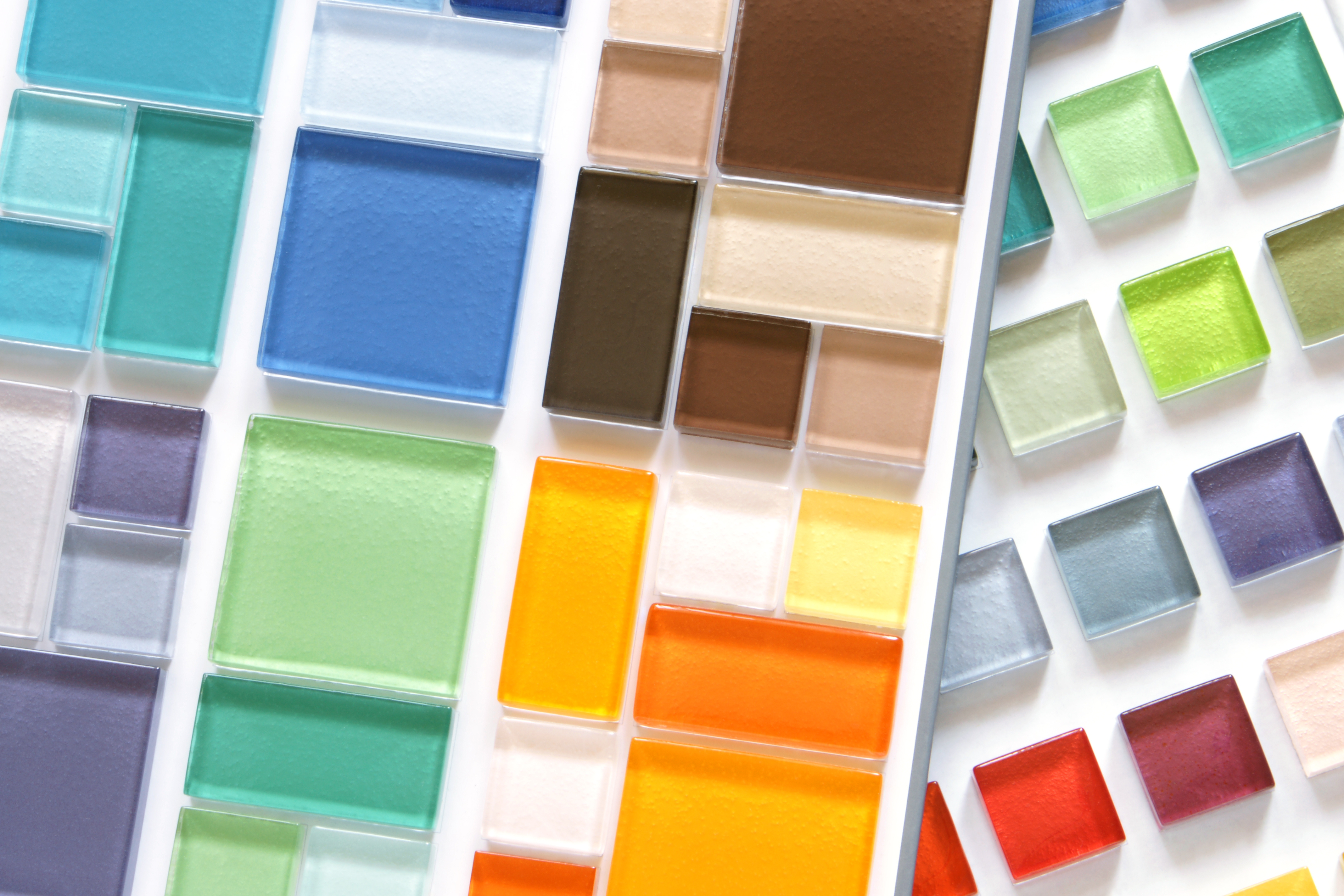
A kitchen can feel perfectly functional yet still lack a memorable detail. Many Houston homeowners discover this after replacing dated cabinets or opening a wall: the room needs texture, contrast, and a focal point. Glass and metal tile accents offer that finishing layer without overwhelming the space.
Why Mixed-Material Tile Works
Glass reflects light, helping a kitchen feel brighter beneath Houston’s often overcast storm-season skies. Metal adds definition through subtle shimmer, brushed texture, or a darker finish that grounds pale cabinetry.
Used together, the materials create depth that a single-color backsplash may not provide. Glass can soften the look, while stainless steel, copper, bronze, or pewter details introduce visual structure. The result feels intentional rather than overly matched.
A mixed backsplash also gives homeowners room to coordinate several elements. For example, a warm metal accent can echo cabinet hardware, while translucent glass picks up tones from the countertop. Browse tile flooring and surface styles to compare colors, patterns, and finishes that could inspire the backsplash design.
Coordinate Accents with Cabinetry
The cabinet finish should guide the backsplash direction, not compete with it. White or light-gray cabinets can support darker metal strips, while stained wood cabinetry often pairs well with bronze, brass, or softly colored glass.
Flat-panel doors usually look best with clean geometric patterns. Shaker cabinets allow more flexibility, including mosaics that combine narrow metal pieces with small glass shapes. A quieter cabinet style can handle a more expressive backsplash, but ornate cabinetry may need a restrained pattern.
Material samples matter because showroom lighting can differ from the natural light in your kitchen. 5 Star Floors helps homeowners evaluate kitchen cabinets alongside flooring, hardware, and other finishes. That broader view makes it easier to avoid a backsplash that looks attractive alone but feels disconnected from the rest of the room.
Connect the Backsplash to Countertops
Countertops often determine how much movement the backsplash should contain. A heavily veined surface usually benefits from a simpler tile arrangement, while a plain quartz countertop leaves more room for glass-and-metal detail.
Pay attention to undertones. A backsplash with cool silver metal may make creamy cabinets appear yellow, while warm bronze can bring out brown or beige tones. Gray glass can also shift from blue to green depending on nearby finishes and daylight.
Houston kitchens frequently use quartz because it offers a practical surface for busy households. Coordinating the backsplash with quartz countertops helps create a continuous visual line between work surfaces, cabinets, and walls. Even small accent tiles should support that relationship.
Keep Maintenance Practical
Glass is nonporous, but grout lines still collect cooking residue. Metal accents may show fingerprints or water spots, especially near a sink. Select a layout that keeps high-maintenance materials away from the areas most exposed to splashes.
A simple weekly wipe with the manufacturer-approved cleaner usually protects the finish. Avoid abrasive pads and harsh chemicals, which can dull metal surfaces or scratch nearby materials. Proper installation also matters because uneven joints can make cleaning more difficult.
For design-driven selections, a professional design consultation can help balance color, scale, lighting, and long-term maintenance. This guidance is especially useful when a kitchen renovation includes new cabinets, countertops, flooring, and backsplash materials together.
Glass and metal accents can give a Houston kitchen personality while still supporting everyday function. Homeowners near Pearland can compare samples at a nearby 5 Star Floors showroom, and families elsewhere in Greater Houston can visit the location most convenient for them. Start with a free estimate to discuss your renovation goals and create a cohesive plan.


