

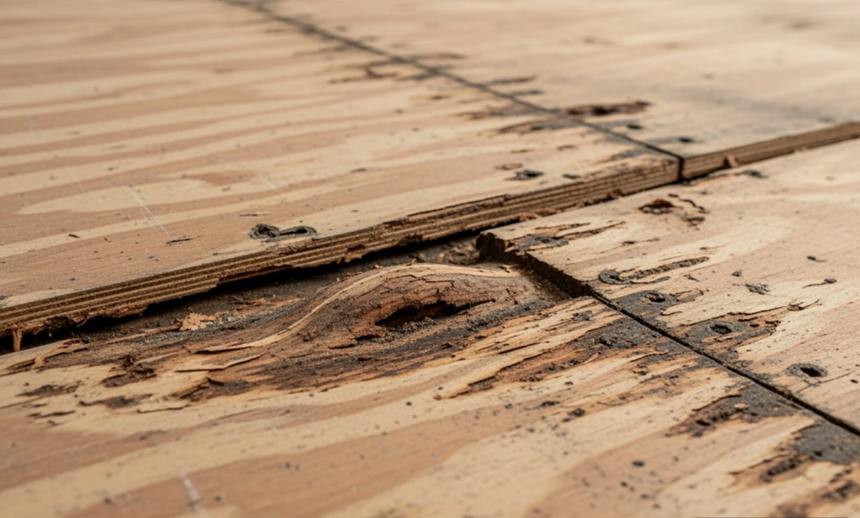
A homeowner may choose a beautiful new floor, clear the room, and expect installation to begin immediately. Then the old carpet comes up and reveals cracks, low spots, adhesive, or concrete that still holds moisture. That hidden layer beneath the finish floor can determine how well the project looks, feels, and performs.
Why the Subfloor Matters
The subfloor creates the foundation for every flooring material above it. If the surface is uneven, loose, damp, or contaminated, the finished installation may develop visible problems. Planks can separate, seams may show, and soft spots can make the floor feel unstable underfoot.
Houston-area homes often use slab-on-grade construction. Flooring sits directly over concrete, so installers must pay close attention to moisture conditions before covering it. Humidity, rainfall, and ground moisture do not automatically prevent installation, but they make testing and preparation especially important.
A level, clean, dry surface gives your flooring the support it needs. Preparation may involve removing residue, filling minor depressions, smoothing high areas, or allowing concrete to dry properly.
Preparing Concrete for LVP
Luxury vinyl plank is durable and moisture-resistant, but its performance still depends on the surface beneath it. A waterproof product does not hide major dips or bumps. Instead, unevenness can telegraph through the planks or place stress on locking joints.
Installers typically inspect the slab for cracks, height differences, and moisture concerns. They may recommend patching compounds, grinding, or a moisture-control system based on the condition of the concrete. The correct solution depends on the product, installation method, and measurements taken at the home.
Homeowners comparing materials can review a waterproof LVP selection while keeping subfloor preparation in mind. A rigid-core design may provide added dimensional stability, but it still requires a properly prepared surface.
How Preparation Affects Different Flooring Types
LVP and carpet respond differently to subfloor concerns. Hard flooring makes uneven areas easier to notice because the finished surface has less flexibility. Carpet provides more cushion, but lumps, debris, and rough patches can still affect comfort and create premature wear.
Concrete must also be clean and smooth before carpet padding is installed. Moisture-resistant backing and stain protection can help carpet handle everyday spills, but no carpet product should cover an unresolved moisture problem. A waterproof carpet collection can help with product research, while professional evaluation addresses the condition underneath.
The installation method also influences preparation. Click-lock products may need a consistently flat surface for secure connections. Gluedown materials require a smooth substrate because imperfections can appear through the thinner flooring. A helpful luxury vinyl flooring guide explains construction differences that may affect your project plan.
What Homeowners Should Ask Before Installation
Ask whether the concrete will be moisture-tested and how uneven areas will be corrected. Confirm who handles furniture moving, baseboard removal, old flooring disposal, and transitions between rooms. Clear answers help prevent surprises after the work begins.
It also helps to consider the entire home rather than one sample. Lighting, cabinet colors, room use, and existing flooring can change how a finish appears. In Pearland, homeowners can bring those questions to our Pearland showroom and compare samples with guidance from the 5 Star Floors team.
A sound installation starts below the surface. Once the slab or subfloor is clean, level, and suitably dry, your chosen LVP or carpet has a better chance of delivering the comfort and durability you expected.
For help evaluating your flooring project, visit the nearest 5 Star Floors showroom or schedule a free estimate. Homeowners near Humble can speak with the local team about subfloor concerns, flooring materials, and the preparation steps that fit their home.


