

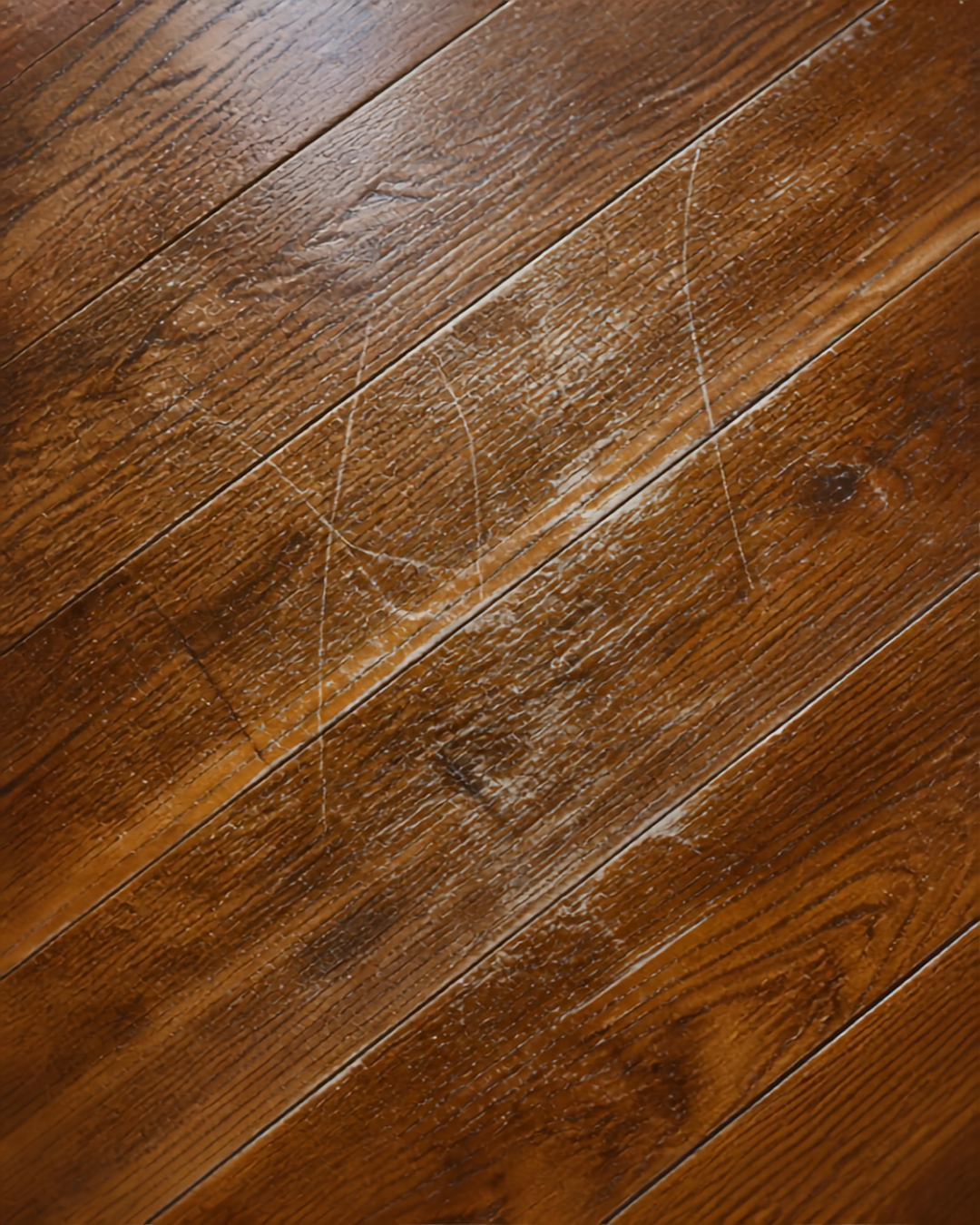
A heavy sofa leaves a shallow depression in the floor. Dining chairs scrape during every meal. One hurried furniture move creates a long mark that catches the afternoon light. For Houston-area homeowners, protecting hardwood and luxury vinyl plank flooring starts with small habits that prevent everyday furniture from becoming a costly source of damage.
Start With the Right Furniture Protection
Felt pads are one of the simplest solutions. Place them beneath chair legs, tables, bed frames, and other pieces that stay in one position. Choose thick, properly sized pads, then replace them when they collect grit or begin to flatten. A worn pad can hold debris against the surface and create scratches instead of preventing them.
Rubber or silicone cups work well beneath heavier furniture because they spread pressure across a broader area. Avoid untested plastic, metal, or adhesive materials that could discolor the finish or leave residue. Check each protector occasionally, especially after moving a piece or cleaning underneath it.
Furniture should also be lifted instead of dragged. For larger items, use clean moving blankets or purpose-made sliders, but confirm that the product is safe for your flooring first. A quick sweep removes sand and grit that might otherwise become trapped underneath.
Why LVP Construction Matters
Luxury vinyl plank is designed for active households, but durable does not mean indestructible. A sharp furniture foot can still dent or scratch the wear layer, particularly if the piece is heavy or moved often. Felt glides, wide-leg protectors, and careful lifting help preserve the printed design and protective finish.
Houston homes also face humidity, intense heat, and occasional moisture concerns around slab-on-grade construction. Selecting waterproof LVP gives homeowners added protection against surface spills and damp conditions, though standing water should still be removed quickly. Good installation and sensible furniture placement remain important.
For rooms with large sectionals, bookcases, or appliances, rigid-core LVP may provide helpful dimensional stability beneath everyday traffic. The right product depends on subfloor conditions, furniture weight, room use, and installation requirements.
Protect Hardwood During Moves and Rearranging
Hardwood needs a little more caution during furniture changes. Before moving anything, clear the route and vacuum the floor. Place clean plywood, cardboard designed for flooring protection, or thick moving blankets over the path. Avoid sliding directly across the boards, even if the item has soft feet.
Area rugs can protect high-use zones beneath coffee tables and dining sets. Use a breathable, nonstaining rug pad that will not trap moisture or transfer color. In rooms with sunlight, rotate rugs and furniture periodically so the wood ages more evenly.
Pressure matters, too. Narrow legs concentrate weight in one small area, while broad protectors distribute it. Heavy furniture should remain stable without rocking, since repeated shifting can wear the finish and create compression marks.
Match Protection to Your Room and Routine
A family room with a sectional needs different safeguards than a guest bedroom with a lightweight bed. Measure furniture feet before buying pads, and select protectors that stay attached without requiring aggressive adhesives. For dining chairs, inspect the glides often because repeated movement wears them faster.
Color and texture deserve attention as well. A warm wood floor, cool gray plank, and surrounding cabinetry can respond differently to rugs and furniture finishes. A hardwood flooring guide can help clarify maintenance considerations, while a professional Pearland showroom visit lets you compare surfaces and protective finishes in person.
The best protection combines the right flooring, properly fitted furniture pads, and careful moving habits. Those steps reduce scratches, dents, moisture concerns, and premature wear without changing how your rooms function.
If you are replacing damaged flooring or planning a room update, 5 Star Floors can help you compare practical materials for your household. Visit the showroom nearest you or request a free flooring estimate to discuss your project.


